


The research behind
what we say.
Health claims deserve evidence. This is where we share the research, official guidance and data behind the subjects we talk about at Afro Health®.

Explore by subject
Who gets studied matters.
What the evidence shows
The research behind this figure comes from US clinical trial data. A research summary published in 2026 states that Black Americans make up around 13% of the US population but less than 5% of clinical trial participants.
Representation also varies considerably between different areas of medicine.
Why it matters
We need to know who the findings apply to.
When research includes a narrow group of people, there is less evidence about how well the findings apply to people who were not well represented.
That does not automatically mean a medicine or treatment will work differently. It means there is less evidence to know for sure.
Important differences can be missed.
People can respond differently to medicines or experience health conditions differently for many reasons, including age, sex, genetics, environment and other health factors.
If some groups are not studied well enough, differences that matter may be harder to spot.
Better representation builds better evidence.
Including a wider range of people gives researchers a better chance of understanding what is shared across populations and where meaningful differences may exist.
That is why one of the questions we ask when looking at health research is:
Who was actually included in the research?
What we don't know
The less than 5% figure comes from US clinical trial research. It should not be taken to mean that Black participation is below 5% in every study, every area of medicine or every country.
Better representation also does not mean assuming that racial groups are biologically different.
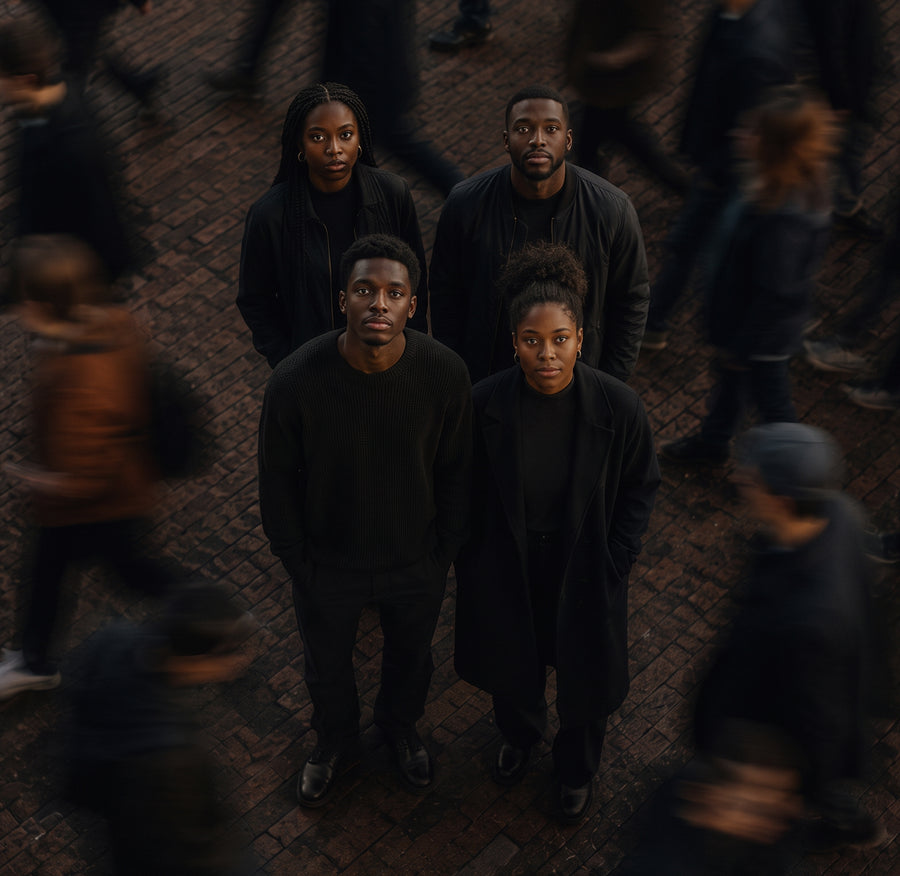
<5%
of participants in clinical research are Black
What warfarin taught us about representation.
What the evidence shows
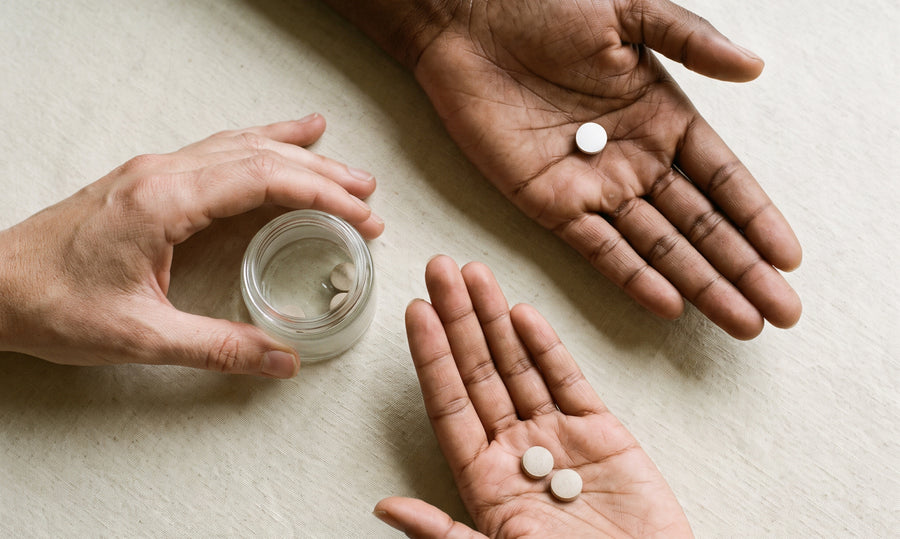
Warfarin is a medicine that helps stop harmful blood clots from forming. Finding the right dose can be difficult because people can respond to it differently.
Researchers discovered that differences in certain genes can affect how much warfarin someone may need. This led to tools that used genetic information to help estimate the right dose. But there was a problem.
In a major US study published in 2013, using genetic information did not improve dosing overall. Among Black participants, the approach using genetic information performed worse than an approach using information such as age, weight and other health details.
Later research found that some genetic differences important in people of African ancestry had not been properly included in earlier tools.
When researchers included more relevant genetic information, their ability to estimate doses for African American patients improved.
Why it matters
This is a real example of what can happen when the evidence behind a tool does not properly reflect the people who will use it. Warfarin does not prove that medicines should be chosen according to race.
It shows something simpler:
If some groups are not studied well enough, important differences can be missed.
What we don't know
Race itself does not tell us which genes somebody has. People who identify as Black are genetically diverse, so race should not be used as a shortcut for someone's genetic information.
Warfarin is also one medicine. We should not assume the same differences exist for every medicine or treatment.
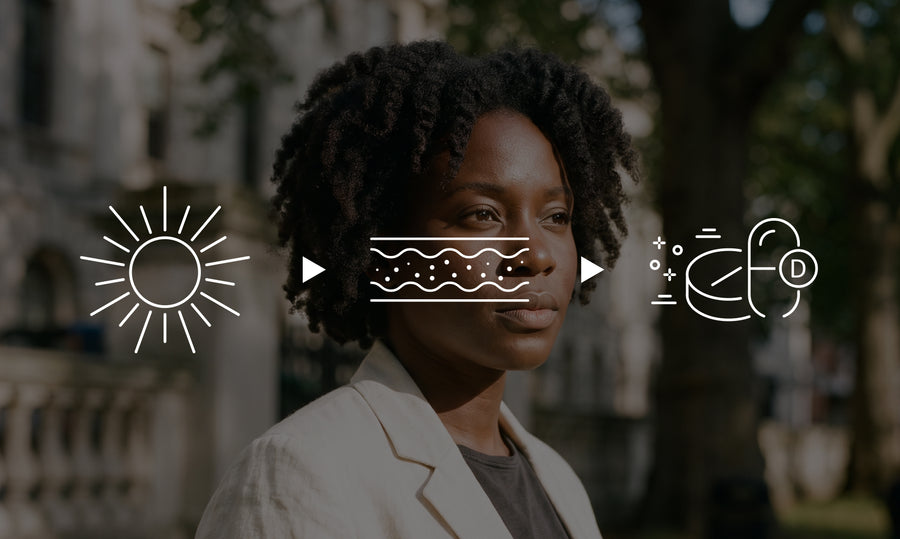
How melanin can affect vitamin D.
What the evidence shows
The body can make vitamin D when skin is exposed to sunlight.
People with a darker complexion generally have more melanin, the pigment that gives skin its colour. This can reduce how much vitamin D the skin makes from sunlight.
UK Government guidance identifies people with what it describes as "darker skin", including people from African and African Caribbean backgrounds, as being at greater risk of low vitamin D levels.
The guidance says people with what it describes as "dark skin" should consider taking 10 micrograms of vitamin D every day throughout the year.
Why it matters
Having more melanated skin does not mean someone is automatically low in vitamin D.
Time outdoors, diet, clothing, age, season and other factors can all make a difference.
Melanin is part of the picture rather than the only factor.
What we don't know
Having more melanated skin does not mean someone is automatically low in vitamin D.
Time outdoors, diet, clothing, age, season and other factors can all make a difference.
Melanin is part of the picture rather than the only factor.
Why high blood pressure matters in Black health.
What the evidence shows
High blood pressure means the pressure of blood moving around the body stays higher than it should.
The NHS says people from Black African and Black Caribbean backgrounds have a higher risk of developing high blood pressure.
A large analysis of health surveys in England reached a similar conclusion. After taking age differences into account, high blood pressure was highest among Black Caribbean, Black African and Pakistani adults.
Why it matters
High blood pressure often has no obvious symptoms, so someone can have it without knowing. Over time, it can increase the risk of serious problems such as heart attacks and strokes.
Knowing that the risk is higher in some communities makes regular blood pressure checks more important.
Age, family history, diet, weight, long term stress, environment and other factors can all play a part.
What we don't know
There is no single accepted explanation for why high blood pressure is more common in some Black communities. Being Black does not mean someone will develop high blood pressure.
Patterns seen across large groups cannot predict exactly what will happen to one person.

References
Last reviewed: August 2026
Black communities face a higher risk of type 2 diabetes.
What the evidence shows
Type 2 diabetes happens when blood sugar levels become too high because the body does not make enough insulin or cannot use it properly. Insulin helps control the amount of sugar in the blood.
In the UK, people from Black African and African Caribbean backgrounds have a higher risk of developing type 2 diabetes. Diabetes UK says type 2 diabetes is two to four times more likely among people of African Caribbean or Black African descent. The increased risk also starts at a younger age. Diabetes UK says the risk begins to rise from around age 25 for these groups, compared with age 40 for White people.
A 2026 study of almost 340,000 people in South London also found a much higher risk among Black African and Black Caribbean groups compared with White British people.
Why it matters
Type 2 diabetes can develop without obvious signs and may go undetected for years.
Over time, high blood sugar can cause serious problems affecting the heart, eyes, kidneys and feet.
A higher risk from a younger age makes knowing your own risk and getting checked when appropriate particularly important.
What we don't know
There is no single explanation for the higher risk. Family history, genetics, diet, physical activity, weight, income, environment, access to healthcare and other factors may all play a part.
The higher risk remained in the 2026 study even after researchers took several other factors into account, showing there is still more to understand.
A higher risk across a population does not tell us what will happen to one individual.
2–4×
more likely among people of African Caribbean or Black African descent, according to Diabetes UK.
References
Last reviewed: August 2026
Can our genes affect how we respond to food?
What the evidence shows
Nutrigenomics is the study of how food, nutrients and genes interact. Put simply, researchers are looking at whether genetic differences can affect how people respond to certain foods and nutrients.
They are also studying whether the food someone eats can affect the way some genes work.
It is a growing area of research, but there is still a lot to learn.
Why it matters
People do not all respond to food in exactly the same way. Genes may be one reason, alongside age, health, environment and lifestyle.
UK Biobank research has looked at how genes and diet interact in people from different ancestry groups, including people of West African ancestry. But the West African group was much smaller than the European group, making it harder for researchers to draw firm conclusions.
Separate UK research involving Black British adults of Caribbean and West African ancestry also found that diet was shaped by traditional foods and how long people had lived in the UK.
Together, this shows why nutrition research needs to look at genes, culture and environment, rather than assuming one approach fits everyone.
What we don't know
There is not enough evidence to say that everyone from one racial group needs a particular diet.
The smaller number of people of West African ancestry in UK gene and diet research also shows why more diverse nutrition research is still needed.
Race, ancestry and genetics are not the same thing.

References
Last reviewed: August 2026
- UK Biobank research — Genome-wide gene–diet interaction analysis in the UK Biobank identifies novel effects on hemoglobin A1c 2021
- Black British nutrition research — Dietary intake in Black British adults: an observational assessment of nutritional composition and the role of traditional foods in UK Caribbean and West African diets 2015
How malaria helped shape the sickle cell story in Africa.
What the evidence shows
Evolution happens over many generations. When an inherited trait helps people survive in a particular environment, those people are more likely to live long enough to pass that trait to their children. Over time, the trait can become more common.
Sickle cell is one of the clearest examples.
Malaria has historically been widespread across many parts of Africa, especially West and Central Africa. These are also areas where the sickle cell gene became particularly common.
People who inherit one copy of the sickle cell gene are known as carriers, or as having sickle cell trait. They do not usually have sickle cell disease.
Research has shown that carrying one copy can provide significant protection against severe malaria.
In places where malaria was widespread, this gave carriers a survival advantage. Over many generations, they were more likely to survive and pass the gene to their children.
This helps explain why sickle cell trait became particularly common among people with ancestry from West and Central Africa, as well as other parts of Africa where malaria has long been common.
Why it matters
In the UK, sickle cell disease is most commonly seen in people from African and Caribbean backgrounds. But the reason is not simply that they are Black.
It is connected to where their ancestors came from and the long history of malaria in those regions.
The sickle cell gene is also found in people whose family roots are in parts of the Mediterranean, Middle East and South Asia.
Sickle cell shows how environment can shape human genetics over generations, and why ancestry can sometimes tell us more than race alone.
What we don't know
Someone's skin colour or racial identity cannot tell you whether they carry the sickle cell gene.
Not every Black person carries it, and people who do not identify as Black can carry it too.
A blood test is needed to know.

References
Last reviewed: August 2026
Why we talk about fibroids and Black women.
What the evidence shows
Fibroids are non-cancerous growths that develop in or around the womb.
Research has consistently found that fibroids are more common among Black women than White women.
A major review looked at 60 studies and found that being Black was the factor most consistently linked with a higher chance of having fibroids.
Across the studies, Black women were around two to three times more likely to have fibroids than White women.
Other research has found that Black women may develop fibroids at a younger age and experience more severe symptoms.
Why it matters
Fibroids affect people very differently.
Some cause no problems. Others can cause heavy periods, pain and other symptoms that can have a significant effect on daily life.
When one group is more affected by a health condition, it is reasonable to ask why and whether the research and healthcare available properly reflect that difference.
What we don't know
We still do not fully understand why fibroids are more common among Black women. Genetics, environment, healthcare, lifestyle and other factors continue to be studied.
Much of the research has also been carried out in the United States.
A higher chance across a population does not tell us what will happen to one individual woman.

2–3×
more likely to have fibroids across the studies reviewed.
References
Last reviewed: August 2026
Black men in the UK face a higher risk of prostate cancer.
What the evidence shows
Research using data from England estimated that approximately 1 in 4 Black men will be diagnosed with prostate cancer during their lifetime, compared with approximately 1 in 8 White men.
The study's best estimates were 29.3% for Black men and 13.3% for White men.
That is roughly double the lifetime risk.
The study was published in 2015 and used prostate cancer data from England collected between 2008 and 2010.
Why it matters
The higher risk among Black men is well recognised, but important questions about prostate cancer screening remain unanswered.
In March 2026, the UK National Screening Committee decided there was still not enough evidence to recommend regular screening specifically for Black men.
Then, in June 2026, the UK Government announced more than £20 million for prostate cancer research and treatment, including up to £18 million to expand the TRANSFORM screening study.
If the first stage is successful, all eligible Black men aged 45 to 71 in the UK will be invited to take part in the second stage, provided they have not had a PSA blood test or prostate MRI scan in the previous five years.
The aim is to build the evidence needed to work out the best way to screen Black men for prostate cancer.
This is a current example of why representation in research matters.
What we don't know
We still do not fully understand why Black men face a higher risk of prostate cancer.
Genetics and ancestry may play a part, alongside environment, healthcare and other factors.
The 1 in 4 figure is also based on older data, which is why the date and source should be shown alongside it.
There is still not enough evidence to say that regular screening specifically for Black men would definitely do more good than harm. TRANSFORM is designed to help answer that question.

1 in 4
Black men in England were estimated to face a lifetime prostate cancer diagnosis risk of roughly one in four.
References
Last reviewed: August 2026
- BMC Medicine — Lifetime risk of being diagnosed with, or dying from, prostate cancer by major ethnic group in England 2008–2010 2015
- UK National Screening Committee — Prostate cancer screening recommendation 2026
- UK Government — Major expansion of research and treatment for prostate cancer 2 June 2026
What this adds up to
Black health matters. That doesn't mean Black biology is one thing.
Black people are not one genetic group. But that does not mean race has no relevance when looking at health.
Ancestry can matter. Diet and environment can matter. Healthcare access and everyday experiences can matter too. Who gets included in research can matter too.
Afro Health® focuses on Black health because these patterns and gaps deserve attention, not because we believe Black people are all biologically the same.
How we use research
Evidence changes.
Science develops as new research is published, more people are studied and old ideas are tested again.

When better evidence becomes available, we update what we say.
We look for strong evidence and ask who was included in the research. We separate what a study suggests from what it actually proves, and we are clear when important questions remain unanswered.
Wherever possible, we show you the original source so you can read it for yourself.

Research helped us ask better questions about Black health.
Those questions eventually led to Afro Health®.
Why Afro Health® exists